
Cancel
Top tips

Fork oil for extreme terrains: how to ensure stability and performance
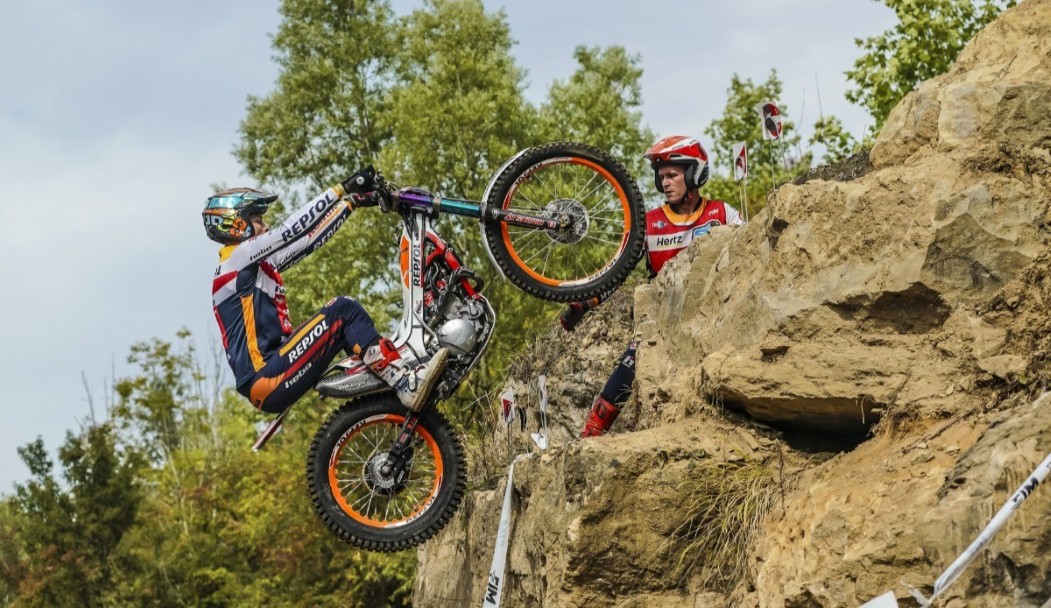
The front suspension is the first filter between the terrain and your hands. On dirt tracks, rocky trails, or jump landings, fork oil works silently to transform impacts into control and vibrations into precision. That's why knowing how to choose fork oil for your bike and keep it in good condition is the difference between riding and reading the terrain or fighting with it.
How fork oil works in extreme terrains
Fork oil regulates damping, controls foaming, and protects internal components. In extreme use, it must also maintain its performance in the face of the high temperatures it can reach or prolonged use.
When the formula resists aeration and shear, the fork retains its feel. The result is greater control, fewer surprises, and a bike that responds as if you had just changed the oil, even if it has already accumulated several hours of use.
How to choose the right fork oil
To choose the right fork oil, the main thing is always to consult the manufacturer's manual, which indicates the characteristics that the lubricant must have for each model.
There you will find the right SAE viscosity grade for your fork. A suitable viscosity index means that the oil maintains its feel both in the cold of the mountain and in the heat of the valley or desert. In practice, that translates to greater predictability in your tuning and less need to chase the adjustment throughout the day.
The bases and additives also make the difference in the riding sensations. Thus, synthetic oils usually offer better antifoam control and greater stability against shear, very useful in repeated impacts such as motocross or in prolonged technical sections such as enduro or trial. In addition, it is recommended that anti-wear additives be included and be compatible with seals and metals to prevent gasket swelling, leaks, and corrosion within the fork.
Of course, it is also crucial to adjust the choice of fork oil to the actual use you are going to give your motorcycle:
- Cold or rainy road: you need the stable feel and predictability, something you get with an oil with low or medium viscosity and that generates little foam.
- Technical enduro (roots, stones, steps): a low to medium viscosity helps to gain sensitivity at low speed and better "read" the terrain without losing support.
- Motocross (strong jumps and landings): here the priority is to control compression in repeated impacts; a medium-high viscosity with a high viscosity index maintains consistency.
- Trial: lower viscosities and excellent antifoam control are favored so that each gesture is precise, as required by the areas in which the TrialGP elite compete.
- Adventure/dual sport with load: opt for medium viscosity and great thermal stability; long trips and weather changes punish the oil if it does not retain its performance.
When should fork oil be changed?
Fork oil degrades over time due to aeration, contamination, or shearing of additives, so you must follow the manufacturer's instructions and respect the indicated change intervals.
As a general rule, in intensive off-road it is recommended to check the condition of the oil once between 20 and 40 hours of use have passed. In mixed use between street and field, an annual change usually maintains consistency. In road, the intervals can be extended between 18 and 24 months, always adjusting to what the manufacturer of your motorcycle indicates.
In any case, your motorcycle sends you warnings when the oil has reached its limit. For example, if you notice that the fork sinks more than normal when braking, bottoms out easily, excessive bouncing when extending, vibrates on uneven ground (chatter), or loses sensitivity over small bumps, the oil is likely to be foamed or degraded. The very dark color and strong odor are also clear clues that it's time to use new lubricant.
The best test bench for fork oil
At Repsol Lubricants, we know that the best test bench is competition. This is why, for decades, our formulas have been developed at the Repsol TechLab, a leading innovation and technology center in the field of energy in Spain, and are validated under the most demanding conditions in the world of motoring.
Trial is a perfect example. For almost 20 years, Repsol Lubricants has been working with the Repsol Honda HRC trial team and with Toni Bou, who won his 38th world title in this discipline this year. A rider who is already an icon of motorsport and who embodies absolute control, the perfect reading of the terrain, and a stability that does not hesitate.
And when the terrain becomes extreme, the right fork oil turns complexity into control. Science backs it up and the track confirms it, but you feel it in your hands and turn it into miles of trust.
Contenido relacionado

Repsol Lubricants en Inside Racing Grand Prix | Repsol
Cómo elegir el aceite de horquillas de tu moto para terrenos extremos y garantizar la estabilidad y control en todo tipo de condiciones.
Show more
02 December 2025
Aceite de horquillas para terrenos extremos: guía completa para elegir y mantener el rendimiento
Cómo elegir el aceite de horquillas de tu moto para terrenos extremos y garantizar la estabilidad y control en todo tipo de condiciones.
Show more
02 December 2025

Qué aceite escoger para moto o scooter | Repsol Lubricants
Descubre las diferencias de lubricación entre moto y scooter: qué aceite usar según JASO MA (embrague húmedo) y JASO MB (CVT).
Show more
27 November 2025