
Cancel
Top tips

Five myths about antifreeze or coolant
08 January 2026
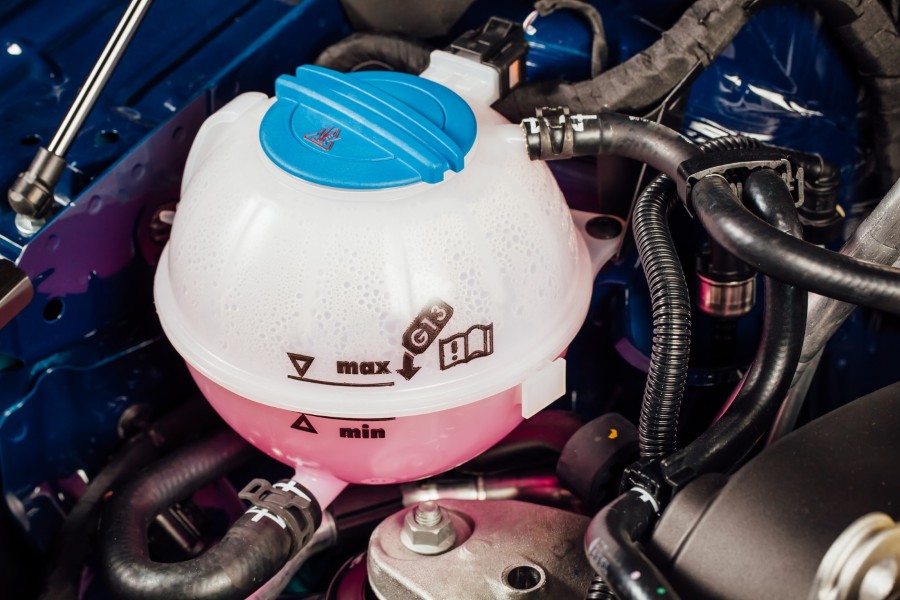
Surely you've heard more than once that antifreeze "only matters when it's cold" or that "the color tells you which one to use". The reality is that this fluid works every mile to keep the temperature at bay and prevent engine corrosion.
For this reason, we are going to dedicate this article to dismantling the most common myths about antifreeze and, incidentally, give you some tips to choose the right one.
Of course, you may be wondering if antifreeze and coolant are the same thing. The answer is yes: it is a mixture of glycol, water, and inhibitor packs that prevents the circuit from freezing in the cold and boiling at high temperatures. Be that as it may, the important thing is the correct specification and proportion, not the name.
Myth 1: “Antifreeze is only for winter”
Nothing could be further from the truth. Coolant is key all year round. In the cold, it prevents the circuit from freezing; in the heat, it raises the boiling point and stabilizes the heat transfer. With proper mixing and a pressurized system, the boiling point can exceed 120°C; without that protection, the risks of overheating, deformations, and gasket failure increase.
Myth 2. “Color indicates type and quality”
Color is just a tint to identify leaks. There is no universal color standard. A green can be a technology and, in another brand, indicate something completely different. What commands is the manufacturer's specification and product chemistry, each with different inhibitors and compatibilities. Therefore, always consult the manual before refilling or changing.
Myth 3. “I can just use water”
Water alone freezes at 0°C, boils at 100°C, and provides salts that encrust. In addition, it does not protect against corrosion, cavitation, or foaming. This is why coolant or antifreeze is used, consisting of a mixture of glycol, demineralized water, and inhibitors.
Myth 4. "All antifreeze is the same and can be mixed"
Mixing incompatible products can neutralize inhibitors and generate sludge. Thus, each manufacturer calibrates its circuit (metals, elastomers, pumps) for a specific chemistry. If you do not know what is in your circuit, it is wise to empty, rinse, and refill with the type of product indicated in the user manual.
Myth 5. “The more concentrated, the better”
The reality is that balance matters. Keep in mind that pure glycol transfers heat worse and increases viscosity. With a 50/50 ratio of glycol to water, the freezing point drops to approximately −37°C and the protection against boiling and corrosion is suitable for demanding use. Raising the glycol above what is recommended can reduce the dissipation capacity and shorten the life of components.
How to choose the right antifreeze
To choose the correct coolant or antifreeze for your vehicle, always consult the manufacturer's manual. This indicates the compatible inhibitor technology (IAT, OAT, or HOAT) and, in many cases, a specific regulation or approval. That compatibility depends on the materials of the radiator, the pump, the gaskets, and elastomers or the circuit design itself.
Finally, remember that on the Repsol Lubricants portal you have a complete search engine at your disposal, which will take you to the right product for your vehicle just by indicating the model or license plate.
Related content

Long car journey: how to check the oil and avoid breakdowns
Use these maintenance tips to prevent surprises during long road trips. Start reading to prepare your next adventure.
Show more
26 March 2026
How often do I need to change the oil in my car and motorcycle?
Learn when you should change the oil in your car or motorcycle, how to spot signs of wear, and how to keep your vehicle in tip-top condition.
Show more
19 March 2026

How to properly check your motorcycle's oil
Learn how to check your bike's oil in this step-by-step guide with common errors and tips on how to fill it up perfectly.
Show more
12 March 2026