
Top tips

Why does my car use oil? Causes and when you should worry

10 September 2026
If you are wondering why your car uses oil, the first thing you should know is that some oil consumption can be part of the normal operation of some engines. The lubricant works under demanding conditions, circulates through different internal components, and a small amount may be consumed during vehicle operation.
However, when consumption increases, the level drops frequently or symptoms such as smoke, loss of performance or abnormal noises appear, there may be a problem of wear, a leak or an incident in any component of the engine.
Oil performs several essential functions:
- Lubricate the engine’s moving parts.
- Reduce friction between components.
- Help to control the temperature.
- Protection against wear.
- Contribute to keeping the system clean through its additives.
Therefore, detecting abnormal oil consumption in time can help prevent further damage and allows action to be taken before engine protection is compromised.
Not all cars consume oil in the same way. The behavior depends on engine design, conditions of use, mileage, maintenance performed, and lubricant used.
How much oil is normal for a car to consume?
There is no universal figure to determine whether a vehicle's oil consumption is normal or excessive. Each engine has its own characteristics and some manufacturers consider certain amount of oil consumption to be within normal operating parameters.
The amount of oil a car can consume depends on factors such as:
- Type of engine.
- Design and internal tolerances.
- Vehicle age.
- Accumulated mileage.
- Driving conditions.
- Regular use of the car.
- Operating temperature.
- Lubricant condition.
A vehicle used mainly in the city, with frequent stop-and-go, operates under different conditions than one used for long highway trips.
It is also important to bear in mind that oil consumption can vary over time. A new engine, a high-mileage engine, or one subjected to demanding use may exhibit different behaviors.
The best reference is always the information provided by the vehicle manufacturer. The manual outlines maintenance intervals, recommended oil specifications, and in some cases, acceptable oil consumption levels.
If the level drops frequently, it is necessary to constantly top off the oil or other symptoms appear, it is advisable to have the vehicle inspected to identify the cause.
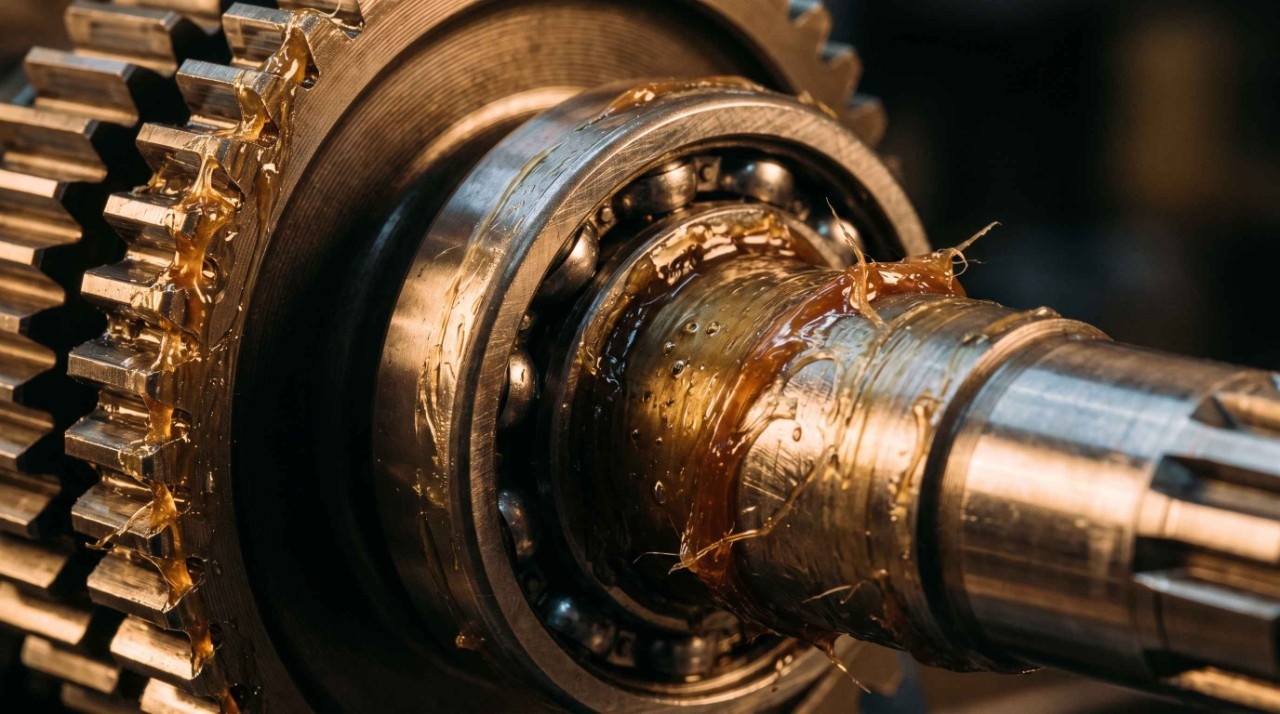
Main causes of high oil consumption
A car may consume oil for different reasons. In some cases, it is due to the progressive wear of internal components; in others, to a leak or a problem related to an auxiliary system.
The most common causes are related to:
- Internal engine wear.
- Sealing issues in certain components.
- External leaks.
- Turbocharger failures.
- Using the wrong lubricant.
- Inadequate maintenance.
Identifying the cause requires checking the vehicle’s overall condition rather than focusing solely on the oil level.
Piston ring wear
Piston rings play an important role in the engine. They help maintain compression, control oil flow, and separate the combustion chamber from the crankcase.
When these components become worn, more lubricant can pass into the combustion chamber. There, the oil can burn along with the fuel, leading to higher oil consumption than usual.
Some symptoms that may be related to this problem are:
- High oil consumption.
- Blue smoke from the exhaust.
- Gradual loss of efficiency.
- Reduced engine performance.
However, these symptoms alone do not confirm piston ring wear. Smoke, loss of power or oil consumption can also be related to other components, so a proper diagnosis is necessary.
Damage valve seals
Valve seals help control oil flow to specific areas of the engine. If they deteriorate, they can allow the lubricant to reach areas where it should not be.
As a result, some of the oil may enter the combustion chamber and burn during operation.
Some associated signs may include:
- Blue smoke.
- Progressive oil consumption.
- Oil deposits in internal areas.
- Changes in engine behavior.
Diagnosing these types of issues requires professional inspection, as other faults can produce similar symptoms.
Turbocharger with excessive play
Engines equipped with a turbocharger may also have oil consumption related to this component.
The turbo works at high speeds and temperatures, so it needs proper lubrication. If there is internal wear or issues with its seals, oil may leak into the intake or exhaust.
However, not all oil consumption in a turbo vehicle necessarily comes from the turbocharger. It is necessary to inspect the engine assembly before replacing components.
For more information on one of the symptoms that may occur in these cases, you can read our article on causes of blue smoke in cars.
How do I know if my car is using more oil than normal?
The easiest way to detect possible excessive consumption is to periodically check the oil level.
To do this:
- Check the level following the manufacturer’s recommended procedure.
- Always check the oil under the recommended conditions.
- Keep a record of whenever you top off the oil.
- Monitor whether the level drops frequently.
- Pay attention to oil spots or residue.
- Watch for smoke, noise, or loss of power.
- Refer to the instrument panel warnings.
Oil color alone does not indicate whether there is abnormal consumption or if the lubricant has degraded. Oil can darken during use without this necessarily indicating a problem.
It is also advisable to differentiate between a temporary drop in level and continuous loss. If the vehicle frequently requires oil top-ups, it is advisable to investigate the cause.

Consuming oil is not the same as having a leak
Although both issues can cause a drop in oil level, oil consumption and oil leaks are not the same.
Oil consumption occurs when the lubricant passes into internal areas of the engine and can burn during combustion.
This can happen without any visible oil puddle under the vehicle.
Some causes may be related to:
- Internal wear.
- Piston rings.
- Valve seals.
- Turbocharger.
- Other internal components.
However, an oil leak happens when lubricant leaks out of the engine.
It can lead to:
- Spots under the vehicle.
- Oil deposits in the engine bay.
- Dampness around gaskets or seals.
The absence of visible spots does not necessarily rule out an issue, as internal oil consumption may still occur.
In both cases, if the loss of lubricant is significant, it is advisable to have the vehicle inspected to prevent the engine from running on low oil.
What should you do if your car uses too much oil?
If you notice your car using more oil than usual, the first step is to check the oil level properly and follow the manufacturer's instructions.
Some recommendations include:
- Check the oil level regularly.
- Use an oil that meets vehicle specifications.
- Do not drive with low oil level.
- Monitor top-up frequency.
- Check for potential leaks.
- Visit a repair shop if additional symptoms occur.
Topping up the oil can be a temporary measure to keep the level correct, but it does not address the cause of excessive consumption.
If signs such as persistent smoke, loss of power, unusual noises or frequent drops in oil level appear, it is advisable to get a professional diagnosis.
It is not advisable to change oil viscosity or use a different product as a quick fix. The choice should always be based on the manufacturer's specifications.
How to choose an oil that helps minimize consumption
Choosing the lubricant correctly helps keep the engine protected and retain its performance for longer.
To select a suitable oil, the following should be checked:
- Recommended viscosity.
- Technical specifications.
- Manufacturer approvals.
- Type of engine.
- Typical operating conditions.
- Compatibility with emission control systems.
A proper lubricant can help reduce wear and maintain proper engine operation, but it cannot repair deteriorated components or fix a mechanical breakdown.
The choice should be made based on the specific needs of the vehicle. Therefore, before changing the oil, it is advisable to consult the owner's manual and use reliable selection tools.
You can find the right oil for your vehicle using the Repsol lubricants search engine, entering the car's data and checking the recommended specifications.