
Top tips

Engine oils: the most common problems and their solutions

10 June 2026
Early detection of engine oil problems can make the difference between reasonable maintenance and a serious breakdown. Lubricants work in silence, but their condition says a lot about what is happening inside the engine. Whether it's lost properties, has become contaminated, or isn't circulating as it should, symptoms appear that should be interpreted as soon as possible.
In this guide, we'll walk you through the most common problems related to engine oil, how to identify them and what solutions to assess in each case. Because when lubrication fails, it's not just the part getting lubricated that's at stake: it's the protection of the entire assembly.
Visual diagnosis: what does the status of your lubricant reveal?
One of the first clues about the state of the engine is in the oil itself. Its appearance, texture, and even its smell can help detect contamination, degradation, or wear. These things don't always mean a serious breakdown, but they do urge you to check the system before the problem gets worse.
Black, foamy, or milky oil: causes and risks
It's normal for the oil to darken with use, especially in diesel engines or in vehicles that work under demanding conditions. That darker color often responds to the fact that the lubricant is retaining particles and combustion byproducts. It's quite another thing if the oil has foam, a milky tone, or generally has an abnormal appearance as soon as you check the rod or the filler cap.
When the oil appears frothy, there may be aeration, an excessive level, or circulation problems. If, on the other hand, the appearance is milky or similar to an emulsion, you should act quickly because there may be contamination with the coolant due to some internal leak, something that will be clear if you notice that its level drops.
The main risk of a contaminated oil is that it loses lubrication, cooling, and cleaning capacity. The motor may continue to run for some time, but it no longer does so with adequate protection.
Oil that smells like gas: the danger of dilution
If the engine oil clearly smells like gasoline or fuel, there may be a dilution problem. This occurs when part of the fuel does not burn properly and ends up going down to the crankcase, mixing with the lubricant.
The causes may be running the engine for too short a time, faulty injections, combustion problems, or certain regeneration phases in some modern engines. The risk is that the oil loses viscosity and strength, which reduces its protection capacity. This is especially delicate in areas subject to high loads, such as turbochargers, bearings, or camshafts.
Pasty texture or presence of sludge
The presence of sludge, varnish, or a pasty texture often indicates advanced degradation of the lubricant, excessively long intervals between changes, contamination, or use that is "unhealthy" for the engine. Poor filter maintenance or the use of an oil that does not meet the required specification may also play a role.
The problem isn't simply that these deposits get dirty. This also hinders oil circulation, worsens heat dissipation, and can cause internal flow obstructions. That's why it's so important not to separate the oil from the rest of the maintenance system. It's important to remember the importance of changing the oil filter, as a saturated filter compromises the work of the lubricant and accelerates its deterioration.
An analysis of common symptoms and breakdowns while driving[OF1]
Not all engine oil problems are detected when the hood is opened. Sometimes the vehicle reveals them while in motion. It could be a warning light, an unusual noise, consumption that doesn't fit with the norm, or a mechanical response that isn't as smooth as expected. If you notice any of these signs, you've just begun a diagnosis that shouldn't be put off for later.
High oil consumption: is it normal consumption or is there a leak?
All engines may consume some oil, but when that consumption becomes frequent or requires refilling too often, the cause must be analyzed. It can be a visible external leak, an internal leak, wear on segments or seals, or even oil that enters the combustion chamber and burns during operation.
It could also be the case that you're using a product that is not suited to you car's engine or driving conditions. An oil with the wrong viscosity or specification may not offer the right lubricating film and generate greater consumption. Therefore, before choosing a product, it's best to check the owner's manual. If you're looking for guidance, you can check out our ranges of lubricants for all types of engines.
When oil consumption increases, there isn't always a catastrophic breakdown behind it. Nevertheless, it is a clear sign that something has changed.
Low oil pressure: what to do when the light comes on
If the oil pressure indicator light comes on, the reaction should be immediate. It's certainly not a good idea to continue driving, as the lack of pressure compromises the lubrication of the internal components in a matter of seconds. Causes can range from an insufficient level to a faulty oil pump, clogged filter, or a circuit problem.
The first step is to stop the vehicle in a safe place and check the level, always following the procedure indicated by the manufacturer. If the oil level is low, the first step is to determine why. It's also important not to simply get used to seeing the warning light on, as it's a critical engine protection alert.
Metal noises and a lack of lubrication in the turbo
When the oil does not arrive well, is delayed in arriving, or no longer retains its properties, the engine may start to sound different. Metallic noises, the sound of something knocking around, or general roughness are usually symptoms that the lubrication isn't doing enough. In supercharged engines, moreover, the turbo is especially sensitive, as it works at high temperature and high speed.
A degraded, contaminated, or improper lubricant can cause premature wear on this component. Delayed changes or low oil pressure can also wear down your engine. If you want to better identify these signs, this guide on engine noises related to lubrication problems can help you.

The exhaust color code: the symptoms coming out of your tailpipe
Exhaust smoke is one of the most visible clues when something goes wrong. It doesn't always signal an oil problem, but it can help distinguish if there is abnormal combustion, coolant, or lubricant ingress into the chamber.
White smoke: evaporation vs. refrigerant leak
A cold, light white smoke may simply be water vapor, which is normal under certain environmental conditions. The problem appears when that smoke is dense, persistent, and accompanied by loss of coolant, a sweet odor, or irregular operation.
In those cases, there may be coolant passing into the combustion chamber and, in some scenarios, oil contamination as well. It is a situation that demands immediate review because it compromises both combustion and lubrication.
The key is knowing how to tell the difference between a one-off occurrence and something persistent. A little bit of steam when starting does not necessarily mean a breakdown. Constant white smoke does demand attention.
Bluish smoke: oil in your combustion chamber
Blue smoke is one of the clearest signs of burning oil. It is usually related to internal wear, valve seals, segments, or turbo problems, among others. When the lubricant enters the combustion chamber and burns, the exhaust gives it away with that characteristic bluish hue.
This symptom usually goes hand-in-hand with abnormal oil consumption. It can start unobtrusively and worsen over time, so don't wait for it to become a major breakdown.
Black smoke: the relationship with oil quality and injection
Black smoke often points more to a combustion problem than a lubrication problem. In many cases, it is related to an excess of fuel, injection failures, lack of air, or poor combustion. Regardless, overall engine maintenance also plays a role, and using the wrong oil can indirectly contribute to less efficient operation.
Therefore, even if the main source of the black smoke is not the oil, it is advisable to check if the product used is the right one and if maintenance has been performed on time.
Help guide: how to choose the right solution for your engine
When symptoms appear, it's not enough to change the oil and move on. The right solution depends on the cause and whether the chosen lubricant meets exactly what the engine needs. That's where specifications make a difference.
SAE viscosity degrees: temperature and engine adaptation
The SAE viscosity indicates how the oil behaves when cold and when heated. This determines whether the lubricant circulates well at start-up and retains a sufficient protective film when the engine is at working temperature.
Choosing the wrong viscosity can result in worse protection, higher oil consumption, or difficulties in lubrication. Consequently, the grade recommended by the manufacturer should always be respected.
ACEA and API standards: the importance of technical specifications
In addition to viscosity, an oil must meet certain quality and performance standards. ACEA and API classifications help to know if the product is formulated for the right engine type and service requirements.
This is not just a technical requirement. Choosing these specifications well helps protect sensitive systems, maintain engine cleanliness, and ensure expected performance throughout the cycle of use. In fact, many problems with engine oil start when the price or viscosity is given priority and we forget about the standardization.
Synthetic vs. mineral oils: recommended change intervals
Synthetic oils tend to offer greater thermal stability, better behavior at cold temperatures, and more consistent protection in demanding conditions. Minerals oils, on the other hand, can fit into specific applications, but are usually less tolerant of the long intervals between changes and the demands in terms of heat of modern engines.
This doesn't mean, however, that there is a universal interval for changes. The best recommendation is always that given by the manufacturer. However, delaying a change without a good reason can end up generating sludge, loss of viscosity or premature wear.
Frequently asked questions about engine oil
What happens if my car's oil level is low?
Driving with little oil reduces lubrication capacity and increases the risk of wear, overheating, and damage to critical components such as the turbo, bearings, or camshaft. If you want to expand on this information, here you can read more about what happens when driving on a low level of oil.
Why does the engine oil smell like gasoline or fuel?
This is usually due to dilution of the oil due to fuel entering the crankcase. It may be related to running the engine for too short a time, injection problems, or incomplete combustion. The risk is that the lubricant loses viscosity and stops protecting the engine as well, especially in components subjected to heavy stress.
How do I know if I have an internal oil leak in the engine?
Not all oil leaks leave stains on the ground. Sometimes the leak is internal and manifests itself through oil consumption, bluish smoke, irregular operation, or contamination of the lubricant. Also, if the oil has a milky appearance or the coolant level is low, it is advisable to check the cylinder head, gasket, and combustion system.
What does it mean when the engine oil looks pasty or milky?
A pasty oil usually points to degradation, accumulated dirt, or too much time between oil changes. If it also has a milky appearance, the oil may be mixing with the coolant. In both cases, the lubricant loses its ability to protect and the engine will need to be checked as soon as possible.
Can a broken cylinder head gasket contaminate the engine oil?
Definitely! A damaged cylinder head gasket may allow coolant to pass into the lubrication circuit and contaminate the oil. This alters its texture, reduces its efficiency, and seriously compromises the protection of the engine. It is usually accompanied by overheating, loss of coolant, or persistent white smoke.
How much oil can an engine consume without it being a symptom of breakdown?
There is no single figure valid for all engines. Consumption may vary depending on design, mileage, use, and driving conditions. The important thing is to detect changes with respect to the vehicle's usual behavior. If the level drops frequently or requires constant refills, it is advisable to review the origin and not assume that it is normal.
Related contents

Rally Morocco 2026
Discover how the Rally Morocco went and the participation of the Repsol Toyota Rally Team.
Show more
07 October 2026
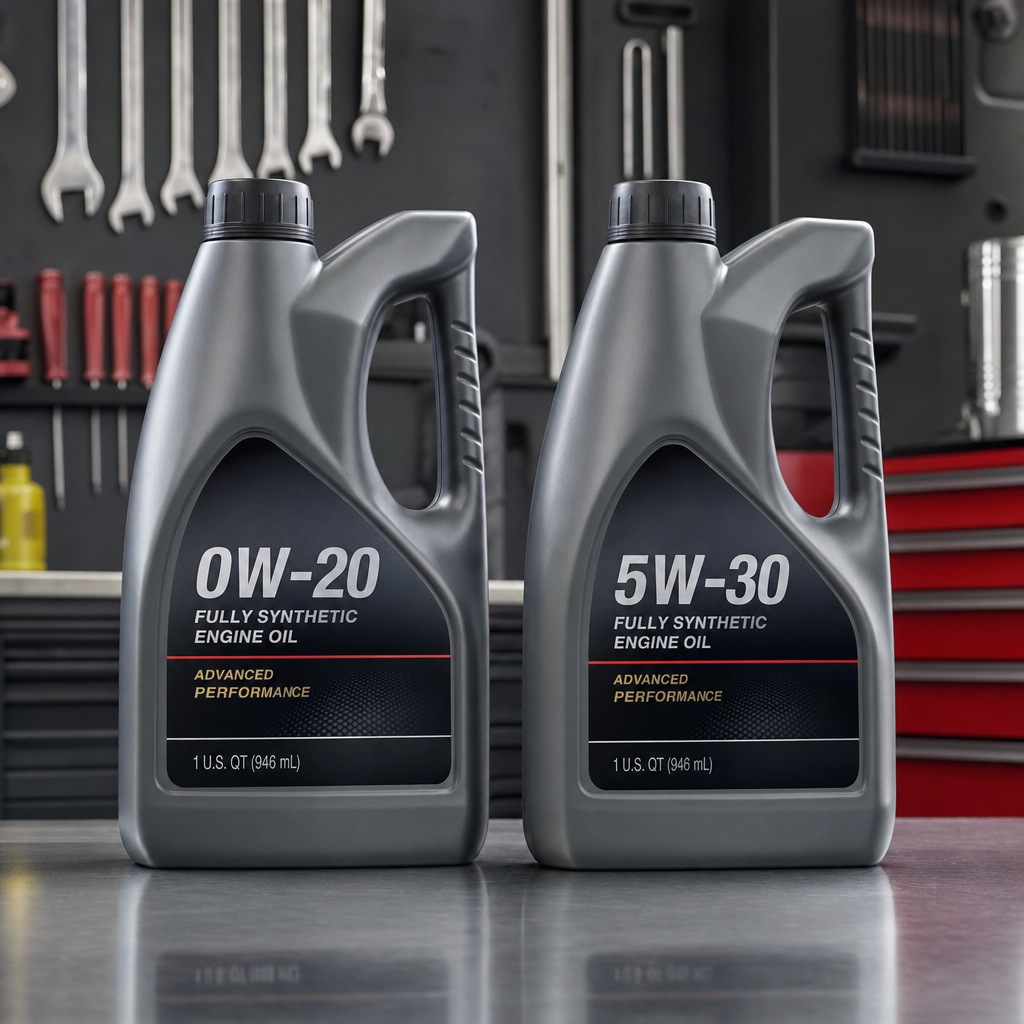
0W-20 or 5W-30 oil: which one does your car use?
We explain why modern engines increasingly require lower-viscosity oils, such as 0W-20, and when it's best not to push the limits.
Show more
06 October 2026
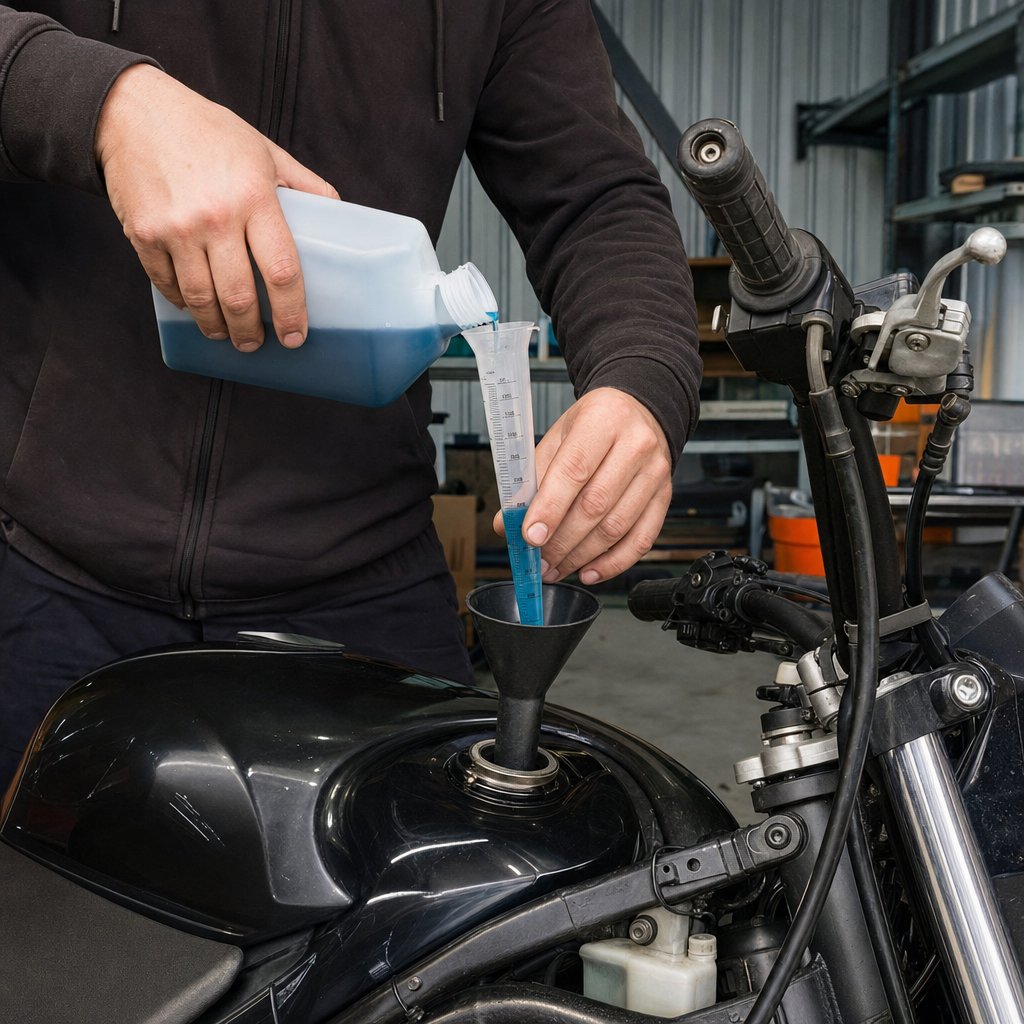
Two-stroke motorcycle oil mixture
We explain the common oil-to-gasoline mix ratios for 2-stroke motorcycles and how to prepare it properly.
Show more
01 October 2026