
Top tips

How to decarbonize a diesel engine? Methods and when to do it
21 August 2026
If you are wondering how to decarbonize a diesel engine, you should know that there is no one-size-fits-all procedure. In practice, three main approaches are used: hydrogen decarbonization, the use of specialized chemical products, and manual cleaning of disassembled components. The choice depends on the type of deposit, its location and the general condition of the engine.
Decarbonization aims to reduce or eliminate carbon deposits in areas such as the intake system, EGR valve, injectors, or even parts of the exhaust system. However, not all performance issues are related to these deposits. Injector faults, faulty sensors, air leaks or turbocharger failures can use similar symptoms.
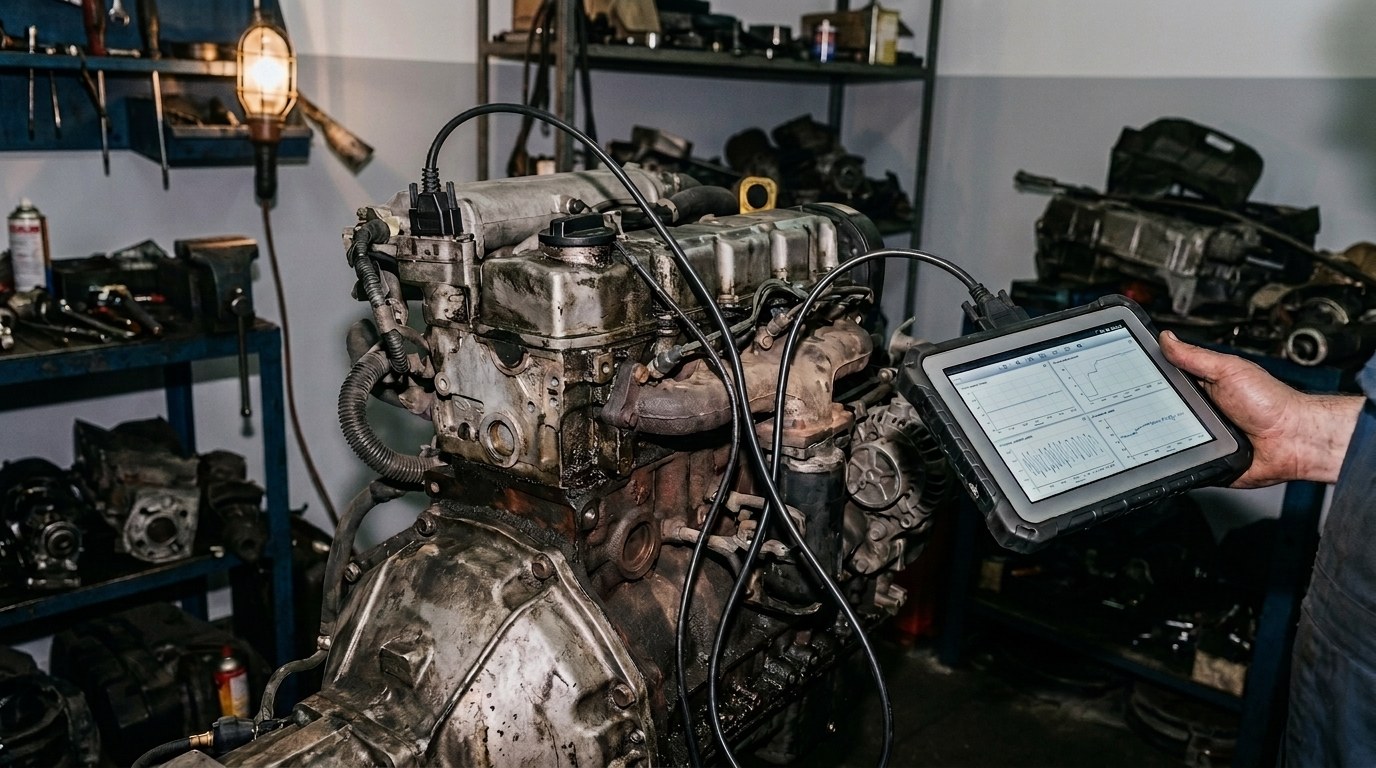
Therefore, before deciding on any procedure, it is essential to perform a professional diagnostic check to determine the root cause of the problem.
What are carbon deposits and why do they accumulate in diesel engines?
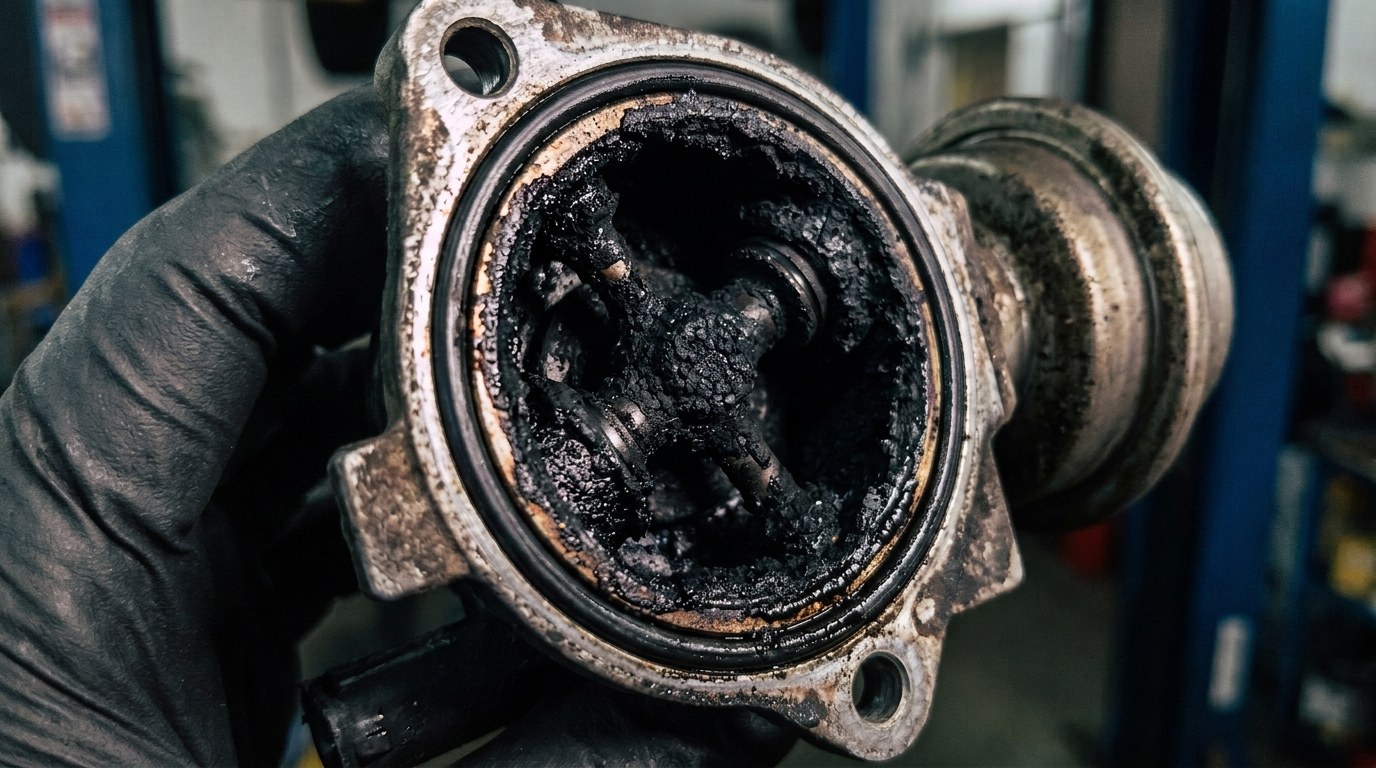
Carbon deposits refers to the solid residue generated during fuel combustion. It is made up of soot particles, oil residue, and combustion by-products that, over time, adhere to different engine surfaces.
Under ideal conditions, the fuel burns completely. However, factors such as temperature, engine load or driving style mean that combustion is rarely perfect, promoting the buildup of these deposits.
The main causes of buildup include:
- Short, frequent trips.
- Frequent urban driving.
- Operating the engine cold on a regular basis
- Extended operation at low engine speeds.
- Interruption of particulate filter regenerations.
- Injector or intake system faults.
- Exhaust gas recirculation (EGR).
- Irregular or inadequate maintenance.
- Use of unsuitable lubricants.
One of the most affected components is the EGR valve, which recirculates part of the exhaust gases to reduce emissions. When mixed with oil vapors, these gases can form sticky deposits.
Deposits can also accumulate in:
- Intake manifold.
- Injectors.
- Combustion chambers.
- Turbocharger.
- Exhaust system.
- Diesel particulate filter (DPF).
Each area requires a specific treatment. For example, cleaning the intake manifold does not fix a clogged particulate filter, nor does a fuel additive repair a blocked EGR valve.
Main methods to decarbonize a diesel engine
There are various techniques to remove carbon deposits, each requiring a different level of intervention.
|
Method |
Application |
Intervention |
Main use |
Limitations |
|
Hydrogen |
Gas introduced into the intake while the engine is running |
Low |
Combustion and intake deposits |
Does not act on all areas |
|
Chemical products |
Specialized additives or cleaners |
Variable |
Injectors, intake, specific systems |
Usage limited by product specifications |
|
Manual cleaning |
Component disassembly and cleaning |
High |
EGR valve, intake, injectors, turbocharger |
Requires a repair shop |
|
DPF regeneration |
Integrated system process |
Variable |
Particulate filter |
It is not a comprehensive cleaning |
There is no single best method. Manual cleaning is more thorough, but also more invasive. Hydrogen decarbonization is less intrusive, although it is not always sufficient. Additives can be beneficial, but only when used correctly.
Before choosing a method, it is important to consider:
- Type of fault or symptom.
- Buildup level.
- Engine condition.
- Method compatibility.
- Manufacturer's recommendations.
Hydrogen decarbonization: What it is
Hydrogen decarbonization involves introducing a gas mixture into the intake while the engine is running. This process is carried out using specialized equipment and under professional supervision.
The objective is to help reduce certain deposits in combustion-related areas. However, it does not remove all deposits nor does it replace mechanical repair.
It is important to keep in mind that:
- Not all engines respond the same.
- It does not replace the cleaning of damaged parts.
- Does not fix electronic or mechanical issues.
- Does not remove severe blockages.
- Does not replace regular vehicle maintenance.
Treatment effectiveness depends on the engine type, the condition of the systems and the level of accumulated carbon deposits.
Chemical additives vs manual cleaning
Chemicals products and manual cleaning are two very different approaches.
Chemical products
They are used in the fuel, in the intake or directly on specific components. Their purpose is to help dissolve or reduce deposits.
It is essential to:
- Use the right product for each system.
- Follow the recommended dosage.
- Do not mix incompatible products.
- Follow the manufacturer's instructions.
Improper use does not improve cleaning performance and may affect engine operation.
Manual cleaning
It involves disassembling the affected component for direct cleaning. It applies to components such as:
- EGR valve.
- Intake manifold.
- Injectors.
- Turbocharger.
- Exhaust piping.
It allows for a more thorough cleaning and inspection of the component’s actual condition, but requires technical expertise and proper tools.
Hydrogen Decarbonization: Advantages and Limitations
This method stands out for its minimal mechanical intervention and quick application. In many cases, it does not require engine disassembly, reducing shop time.
However, it also has significant limitations:
- It does not act on all components.
- It is not a substitute for mechanical repairs.
- It does not remove heavily adhered deposits.
- Its results may vary among vehicles.
It should not be considered a one-size-fits-all or mandatory preventive solution. Its use should be based on a prior diagnostic check.
Symptoms of an engine with carbon deposits.
Some symptoms may indicate the presence of carbon deposits:
- Loss of power.
- Jerking or uneven response.
- Increased fuel consumption.
- Excessive smoke.
- Unstable idle.
- Hard starting.
- Malfunction indicator light.
- Limp mode.
These symptoms alone do not confirm the presence of carbon deposits, as they can also be caused by injector failures, sensor faults, or boost pressure issues.
How to prevent carbon deposits?
Prevention is key to preventing performance problems. Some recommendations include:
- Respect the maintenance intervals.
- Use quality fuel.
- Choose the right lubricant.
- Replace filters according to the manufacturer.
- Avoid making only short trips.
- Observe the vehicle warning lights.
- Review the EGR and intake system.
- Do not interrupt DPF regenerations.
The use of suitable lubricants helps to keep the engine cleaner and protected against the formation of deposits, as long as the vehicle manufacturer's specifications are met.
The role of oil and Repsol Lubricants products
Engine oil not only lubricates, it also helps to control the formation of deposits and maintain the internal cleaning of the engine.
Repsol lubricants are formulated to adapt to different engine technologies, including modern diesel systems with particulate filters and gas after-treatment systems.
It is important to choose the right product according to:
- Recommended viscosity.
- Manufacturer's specifications.
- Type of engine.
- Usage conditions.
In addition, Repsol additives are designed for specific applications and must always be used according to the product's instructions, without replacing vehicle maintenance.
Decarbonizing a diesel engine can be done using hydrogen, chemicals or manual cleaning, but there is no one-size-fits-all solution. Each method has advantages and limitations, and your choice depends on the diagnosis of the vehicle.
The best strategy is always preventive: proper maintenance, the use of compatible lubricants such as those from Repsol Lubricants, and early attention to engine symptoms.
Before deciding how to decarbonize a diesel engine, consult your vehicle's manual and a professional to ensure a safe and effective intervention.