
Top tips

Where can I take the used car oil?
10 August 2026
If you are wondering where you can take used oil, the answer is simple: you must drop it off at a reclycling center, a repair shop with a collection service, or an authorized waste management facility. The best option will depend on the services available in your local area.
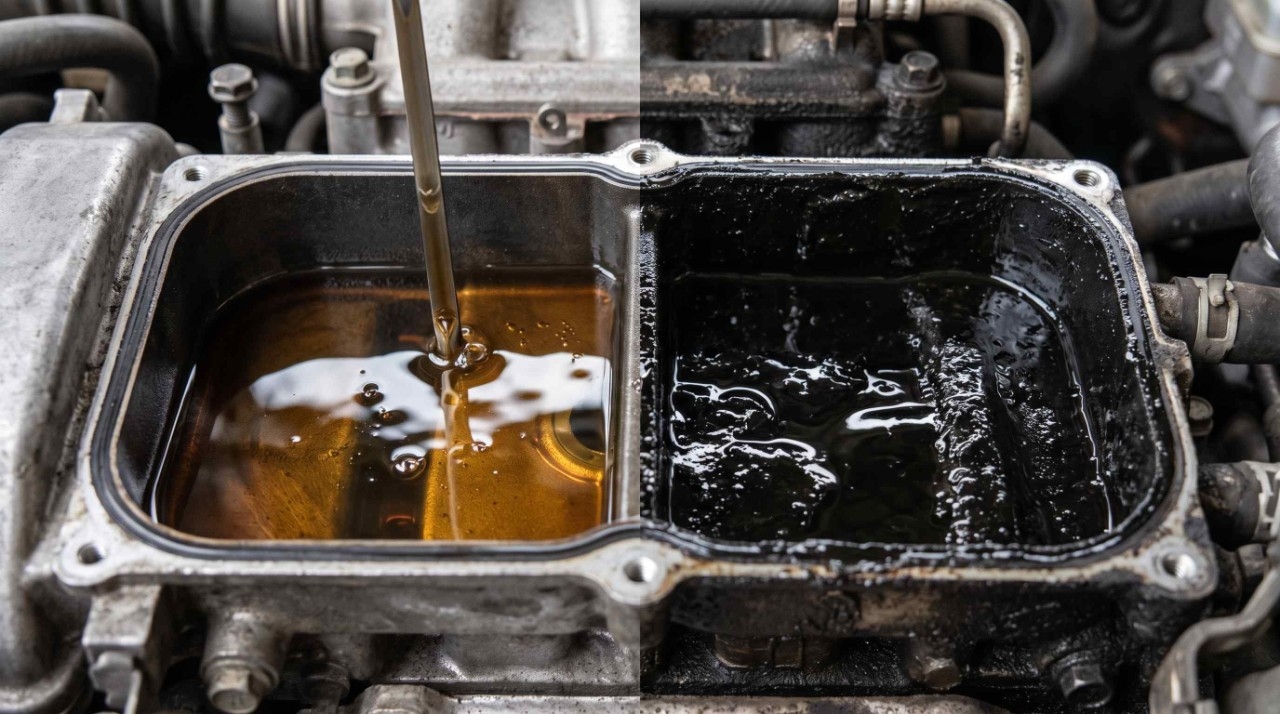
Used motor oil must not be disposed of in household waste, poured down the drain, or dumped on the ground. It must not be mixed with fuel, antifreeze, brake fluid, or other waste. After circulating through the engine, the lubricant absorbs impurities and substances that require specialized treatment. This applies to both conventional oils and Repsol Lubricants' high-performance lubricants, designed to protect the engine during its service life but which must also be properly managed once used.
That's why, whether you did an oil change yourself or need to dispose of a small amount of stored oil, it's important to store it properly and take it to a facility equipped to handle it.
Where can I legally dispose of used car oil?
There are different options for disposing of lubricant after performing an oil change. However, available services and acceptance conditions may vary from location to location.
Before going there, it is advisable to check whether the chosen center accepts motor oil from individuals, as well as the permitted quantities and conditions.
The most common options are:
- Municipal recycling centers: many municipalities have facilities for collecting household waste that should not be disposed of in standard bins.
- Mobile recycling units: some local councils offer collection vehicles that visit different neighborhoods or towns on specific days.
- Auto repair shops: if the oil change is done at a shop, the facility itself usually handles the waste lubricant through its professional network.
In many cases, they work with suppliers and waste managers linked to the lubricants sector, who form part of the oil supply and recycling chain. If you bring oil from a home maintenance, ask in advance if they accept drop-offs from individuals.
- Collection centers or authorized managers: specialized facilities receive used oil for storage and subsequent processing.
- Auto maintenance centers: certain facilities may offer collection services.
If you are unsure where to take used car oil, your city's website or municipal waste management service is usually the best place to start. You can also contact the nearest recycling center directly to check their hours and requirements.
Do not leave the container next to the recycling bins or at the entrance to a closed facility. Even if the facility handles special waste, drop-offs must follow their instructions and take place during operating hours.
Environmental regulations on oil disposal in your local area
Used motor oil is a type of waste that must be collected and treated in a controlled manner. Its management is different from that of regular household waste, as it requires specific facilities and processes.
For automotive lubricants, the product lifecycle is regulated to ensure that, once used, they can be integrated into appropriate collection and treatment systems.
Drop-off conditions may vary depending on the municipality and the type of facility. For example, a recycling center may set quantity limits, require the oil to be brought in a sealed container, or accept waste only generated by individuals.
To find out the specific guidelines for your area, you can check:
- The city's website.
- The local section dedicated to sanitation or waste management.
- The citizen information helpline.
- The recycling center’s website or phone number.
- The local or regional authority responsible for waste management.
These sources allow you to confirm which centers are authorized, their operating hours, and how the oil should be brought in. They also help distinguish between services intended for individuals and management systems for repair shops, companies or professionals.
Do not assume that every repair shop, gas station, or automotive establishment is required to accept oil brought from home. Service availability should be checked directly with the center or local government.
.jpeg.transform/rp-rendition-md/image.jpeg)
The ecological importance of correctly recycling used motor oil
Oil plays an essential role in the vehicle: it lubricates moving parts, reduces friction, helps control temperature, and protects certain components from wear and tear. Lubricants developed by Repsol Lubricants are formulated to maximize this protection during use, but once their useful properties are spent, they must be managed as waste.
However, once used, it collects contaminants from engine operation and loses the properties needed to function correctly.
If spilled on the ground, it can seep into the soil and harm the surrounding environment. If it enters a drain, sewer or watercourse, it can disrupt treatment processes and spread to areas where cleanup is difficult.
Proper management ensures the waste reaches specialized facilities, where it can be sorted and undergo appropriate treatment. Depending on its properties and the process used, certain materials can be recovered or reused, preventing oil from ending up in the environment.
Correctly recycling used motor oil also improves its traceability. From the moment it is dropped off at an authorized facility until final treatment, it must be kept separate from other liquids that could contaminate it or hinder its reuse.
For this reason, mixing it with water, gasoline, diesel, solvents, or coolant is not a good way to save space. Besides increasing risks during transport, mixing can complicate the subsequent waste management process.
How should you store and transport oil in containers?
Before taking the oil to an authorized point, store it in a way that prevents spills or contact with people, animals or surfaces.
To store and transport the lubricant:
- Use a sturdy container. It must be compatible with petroleum products and be in good condition, free of cracks, holes or dents.
- Choose a leakproof container with a lid. Seal it properly to prevent leaks during transport.
- Do not fill the container to the brim. Leave a small gap to make handling easier and reduce the risk of spills.
- Do not mix the oil with other liquids. Keep it separate from water, fuel, antifreeze, brake fluid, solvents, and cleaning products.
- Label the container. A simple label such as “used motor oil” helps prevent confusion.
- Keep it out of the reach of children and animals. Until drop-off, store it in a stable location, protected from heat and possible impacts.
- Transport it in an upright position. Place it in a secure spot in the vehicle and use a box or tray to contain any potential leaks.
- Only drop it off at an authorized facility. Follow the staff's instructions and do not pour out the contents yourself unless explicitly instructed to do so by the facility.
Whenever possible, it can be convenient to keep the oil in its original container, as long as it is clean on the outside, seals properly, and is suitable for transport. Do not use food or beverage containers, as they can cause confusion and may not offer the required durability.
If a small spill occurs while handling it, avoid washing it down a drain with water. Contain the liquid with a suitable absorbent material and check how to properly dispose of the used cleanup waste.
In short, used oil must be taken to a recycling center, a repair shop that confirms its acceptance, or an authorized facility. Before transporting, allow it to cool, store it unmixed in a sturdy container, and keep it sealed and upright. Check your city's website or contact the municipal waste service to locate the nearest authorized drop-off site and check their acceptance conditions.