
Top tips

SAE 30 oil: what it's for, uses, and main benefits

16 June 2026
SAE 30 oil is a single-grade lubricant that remains widely used in certain engines and equipment where stable viscosity in high levels of heat and reliable operation are sought under specific conditions of use. Although today we're used to multigrade oils such as SAE 10W-30 or SAE 5W-30, SAE 30 still makes sense in machinery, small gasoline engines, and some simple or stationary machines.
When talking about this type of lubricant, remember that the SAE classification refers to oil viscosity.
Uses of SAE 30 lubricant in machinery and engines
SAE 30 oil is mainly used in engines and equipment that work in relatively stable temperature ranges and that are designed for single-grade lubricants. There are also engines that use these types of oils but which must heat it up before ignition for use only when the engine has reached a certain temperature. Afterwards, they only stop occasionally and for maintenance purposes.
The question, regardless, is whether an oil fits the manufacturer's recommendation and the type of work the engine does.
Public works machinery and stationary engines
One of the most common uses of SAE 30 is in public works machinery, stationary engines, and certain diesel and continuously powered equipment. In these cases, the lubricant must help keep the protective film between parts, resist mechanical stress, and contribute to constant operation for long days.
In these types of applications, it may make sense to use a single-grade oil for diesel engines, as long as the viscosity and formulation match what the equipment manufacturer demands. It is especially relevant in simple, robust engines with planned maintenance, where the priority is to ensure protection and stability in service.
Small petrol engines such as lawnmowers and generators
SAE 30 oil is also frequently associated with small gasoline engines, such as those in lawn mowers, generators, gas tillers, or some kinds of auxiliary equipment. They are engines that usually work at a constant speed and often at that time of year when temperatures are mild or warm.
In cold climates or in frequent starts at low temperature, it's a good idea to check if the manufacturer allows multigrade alternatives, as they can offer better fluidity.
Applications in classic engines and old vehicles
In some classic engines or older vehicles, SAE 30 oil may still be a valid option if allowed for by the original specification. We are talking about mechanics with tolerances, designs, and requirements that are different from those of a modern car, where simple lubrication is often prioritized and consistent with the technology of the time.
Even so, it's not appropriate to generalize. Not all older engines should use SAE 30, nor do they all respond the same. Therefore, before choosing, the most important thing is to confirm the manufacturer's technical recommendation or at least from a specialist in that type of engine, always assessing whether it really corresponds to the need of the equipment.

Advantages of using oil with SAE 30 viscosity
SAE 30 oil brings tangible advantages when used in the right engine. Its main strength is in offering the behavior for which the equipment was designed, without complicating the choice with improper viscosity.
Detergent power for deep engine cleaning
One of the most valued properties of some SAE 30 oils is their detergent capacity. This formulation helps keep the internal components of the engine cleaner, reducing the accumulation of residues derived from combustion and continued use.
Protection against wear and acid corrosion
SAE 30 can also help protect against wear and the action of acidic compounds that are generated during engine operation. That protection depends, logically, on the specific formulation of the product, but it is a basic function of any well-selected lubricant.
When the right oil circulates as it should, it reduces direct contact between metal surfaces, limits friction, and helps extend the life of key parts. In engines with continuous work or simple maintenance, this function is especially important because any deviation in lubrication can result in premature wear or loss of reliability.
Maintaining engine pressure and power
Another advantage of SAE 30 oil is its ability to maintain an adequate viscosity when heated in those engines designed for it. This can promote correct oil pressure and help the engine work with the expected protection when it reaches its normal operating temperature.
In practice, this translates to more regular operation, lower risk of lubricating film loss, and a mechanical response more consistent with what the manufacturer expects. It does not mean that SAE 30 is a better choice in any situation, but that it is effective when used in the right context.
Comparison: SAE 30 oil vs. SAE 10W-30 and SAE 5W-30
The main difference between SAE 30 oil, SAE 10W-30 and SAE 5W-30 lies in their behavior at different temperatures.
- SAE 30 is a single-grade oil. That means it offers a defined viscosity when heated, but that it's not meant for cold starts. Therefore, it usually fits better in temperate or warm climates or in engines that work in relatively constant conditions.
- The SAE 10W-30 is a multigrade oil. Its "10W" indicates that it performs better in cold than an SAE 30, while the "30" reflects its viscosity when heated. In other words, it can offer more versatility in engines that start in cool temperatures but need to maintain protection when the engine is already at its working temperature.
- The SAE 5W-30 goes one step further in cold flow. As opposed to a SAE 30 oil, it circulates earlier at start-up and helps reduce the initial effort of the engine in low temperatures. Thus, it is a very common viscosity in modern engines.
In short, if the equipment works in hot weather, has simple mechanics, and the manufacturer requires use of a single-grade lubricant, SAE 30 oil may be the right choice. If the engine needs to run well over a wider thermal range, then a multigrade oil such as SAE 10W-30 or SAE 5W-30 usually offers more flexibility.
The important thing is to always choose what the engine really needs. That's the key: always choose the oil that best suits your engine, your actual use, and your work environment.
Frequently asked questions about SAE 30 oil
What exactly is SAE 30 oil for?
If you are wondering what SAE 30 oil is for, the answer is simple: it is used to lubricate engines and equipment that require a single-grade oil with SAE 30 viscosity, especially in stable working conditions and warm or hot temperatures. It is common in small gasoline engines, machinery, stationary engines, and certain veteran or specialized applications.
What is the difference between SAE 30 oil and 10W-30?
The main difference is that SAE 30 is single-grade and SAE 10W-30 is multigrade. SAE 10W-30 flows better in the cold, making it easier to start at low temperatures, while both share a "30" viscosity behavior when heated. In engines subjected to temperature changes or cold starts, SAE 10W-30 usually provides better performance.
Can SAE 30 oil be used in a modern car?
In general, it should not be used in a modern car unless the manufacturer expressly recommends this, something not usual today. Today's engines are designed for more advanced viscosities and formulations, typically multigrade oils, and with specific performance, emissions, and fuel-saving requirements. Using an inadequate oil can affect the lubrication and operation of the engine.
What is best for a generator: SAE 30 or SAE 5W-30?
It depends on the generator and the weather. If the manufacturer recommends SAE 30 and the equipment is going to operate in stable temperatures, then it may be the right choice. If the generator has to cold-start or run in the winter, an SAE 5W-30 may be more suitable for its better low temperature fluidity. The decision should always be based on the owner's manual.
How does cold weather affect the use of SAE 30 single-grade oil?
The cold makes SAE 30 oil more viscous at start-up, which means it takes longer to circulate and protect all the parts from the start. This can make starting difficult and increase initial wear if the engine is not intended for that condition. That's why, in cold climates, multigrade oils are usually a more practical option.
How often should the SAE 30 oil change be performed?
There is no universal interval. It depends on the type of engine, the hours of operation, the work load, and the manufacturer's recommendations. In machinery, generators, and small engines, maintenance is often measured by hours of use rather than by kilometers. If you want to expand on this point and check for signs of lubricant degradation, read about the most common engine oil problems and their solutions.
Related contents

Rally Morocco 2026
Discover how the Rally Morocco went and the participation of the Repsol Toyota Rally Team.
Show more
07 October 2026
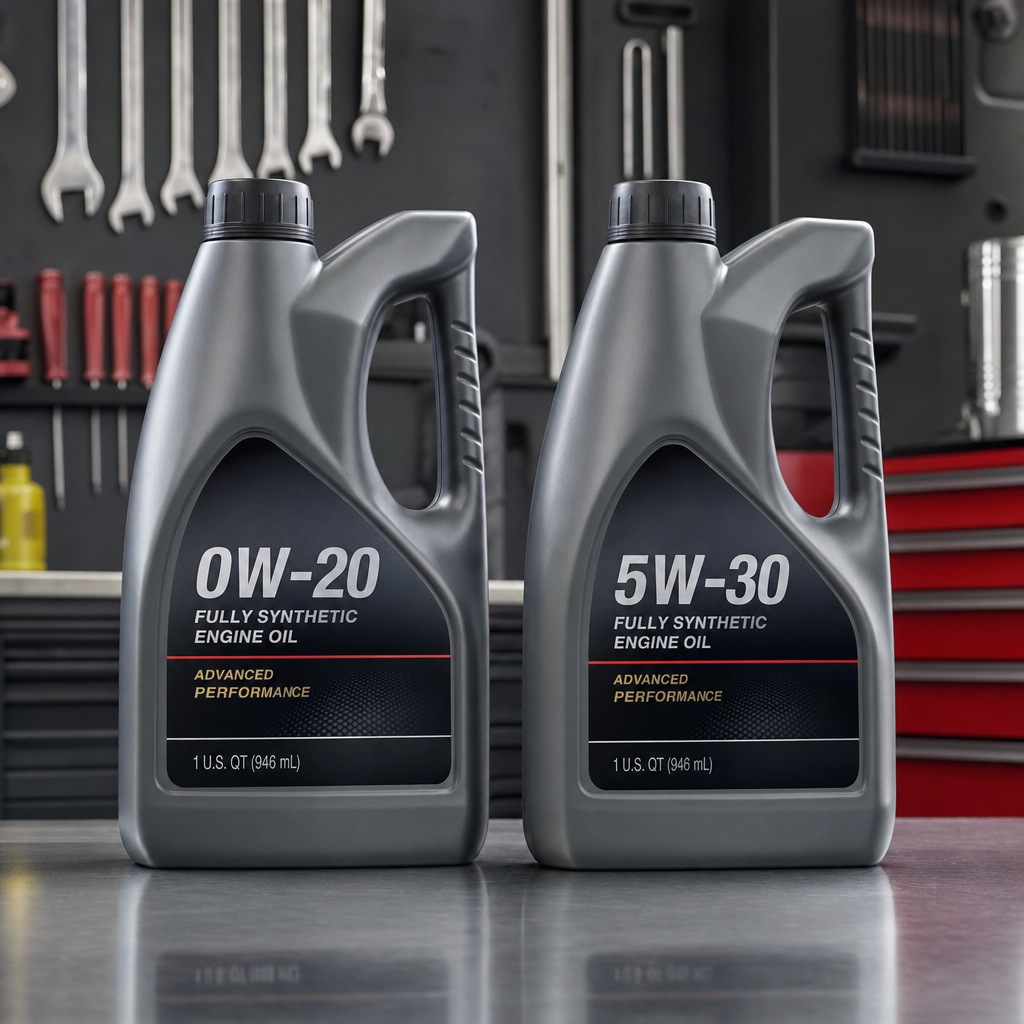
0W-20 or 5W-30 oil: which one does your car use?
We explain why modern engines increasingly require lower-viscosity oils, such as 0W-20, and when it's best not to push the limits.
Show more
06 October 2026

Two-stroke motorcycle oil mixture
We explain the common oil-to-gasoline mix ratios for 2-stroke motorcycles and how to prepare it properly.
Show more
01 October 2026