
Top tips

How many liters of oil does my car need? Guide by engine type
22 October 2026
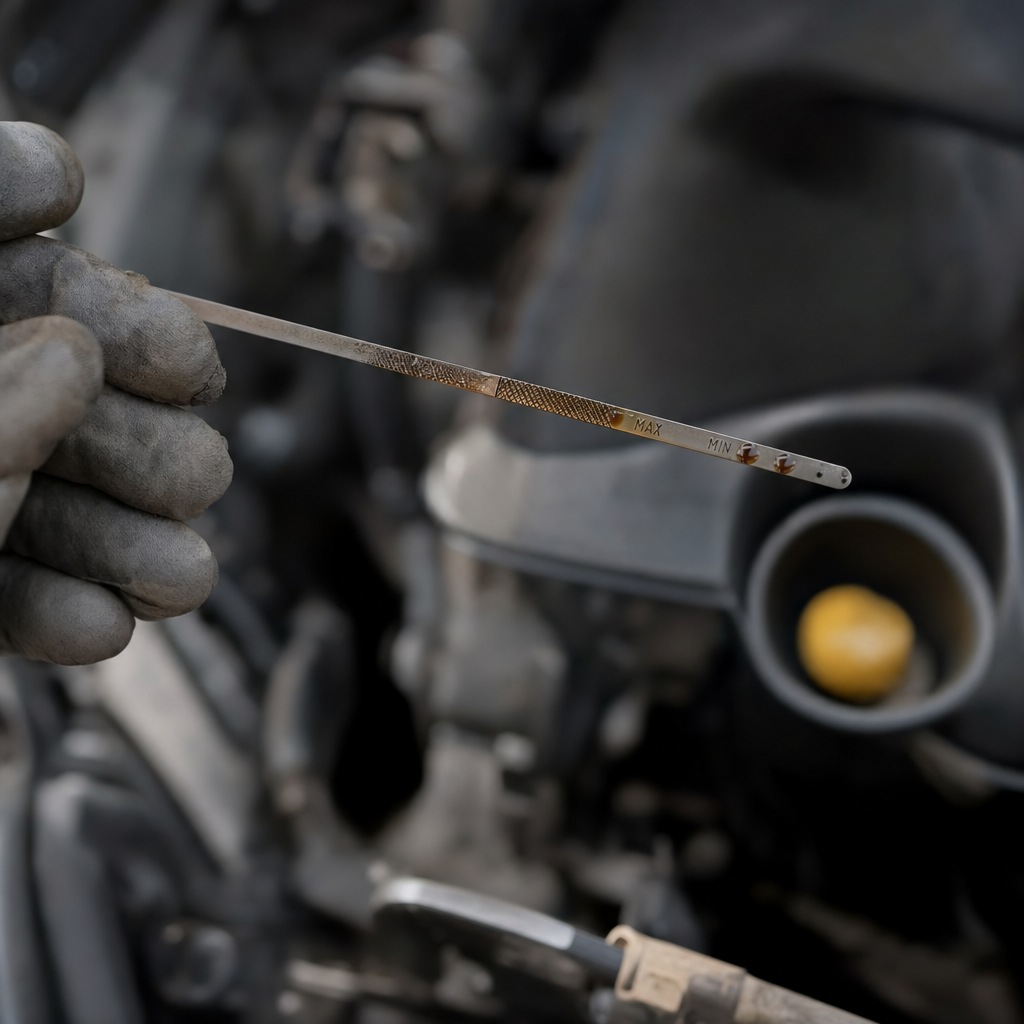
The amount of oil that an engine needs is not a fixed figure: it varies according to the displacement, the number of cylinders and the design of the crankcase. In this guide we review the approximate ranges by engine type and how to know the exact amount your car requires.
Knowing how many liters of oil your car needs seems like a simple question, but the answer depends on many factors that vary from one model to another, and even between engines from the same manufacturer. At Repsol Lubricants we frequently receive this question from drivers who want to do an oil change at home or simply better understand the maintenance of their vehicle, so we are going to explain what that amount depends on and what indicative ranges there are depending on the type of engine.
Before getting into the figures, an important warning that we will repeat several times in this article: the only valid quantity for your car is the one indicated in the manufacturer's manual. The ranges that we will see here are for guidance only and serve to give you a general idea, but the final reference is always the technical data sheet of your specific vehicle. If you have any questions about which product best suits your engine, you can consult Repsol's range of car oils, where you will find detailed information on each reference.
What does the amount of oil an engine needs depend on?
The amount of oil needed by a combustion engine responds to an engineering calculation that seeks to ensure that all moving parts are properly lubricated, that the oil is maintained at a stable temperature and that there is enough volume to absorb the combustion deposits without losing their properties before the next oil change. Two factors explain most of those differences.
Engine displacement and number of cylinders
· Displacement is the total volume that the pistons move inside the engine cylinders, and is usually expressed in cubic centimeters (cc) or in liters (for example, a "1.6" engine has 1,600 cc of displacement). The larger the displacement, the larger the internal components - pistons, connecting rods, crankshaft - and the more surface area to be lubricated, so, in general, the larger the displacement, the greater the amount of oil needed.
· The number of cylinders influences in the same way: a four-cylinder engine and a six-cylinder engine with the same total displacement do not need exactly the same amount of oil, because the number of friction surfaces, the length of the crankshaft, and the design of the oil passages change. That's why two cars with similar displacements can require different amounts of oil: the number of cylinders and the layout of the engine (inline, V, boxer) also count.
Crankcase type and engine design
The crankcase is the oil pan located at the bottom of the engine where the oil accumulates when it is not circulating through the lubrication circuit. Its capacity and design - dry or wet sump, shape, depth - determine how much oil the system can store at rest.
In addition, engines with more complex systems - turbochargers, direct injection systems, variable camshafts or anti-pollution devices such as the EGR - often require more extensive lubrication circuits, with more oil passages and components to lubricate, which also increases the total volume of oil needed compared to an engine of simpler design. This is one of the reasons why, although two engines have similar displacements, their manufacturers can specify different oil capacities.
Approximate oil capacity by engine type
With these variables in mind, it is possible to establish indicative ranges that help to get a general idea, although we insist: they are approximations and should never replace the data from the manufacturer's manual, which is the real reference for your car. If you want to confirm it quickly and easily, you can check the Repsol oil finder by license plate.
Small engines (3-4 cylinders)
Three- or four-cylinder engines are common in city cars, compact cars, and mid-range sedans, both in gasoline and diesel versions. Its displacement usually ranges between approximately 1,000 and 1,600 cc, and its indicative oil capacity is generally between 3.5 and 5 liters, although it can vary depending on the brand and the specific generation of the engine.
Medium engines (4-6 cylinders)
This group includes larger four-cylinder engines and six-cylinder engines, common in medium-high sedans, SUVs and some minivans. Its indicative oil capacity is usually between 4.5 and 6.5 liters, although it can vary considerably depending on the displacement, the design of the engine and the specific characteristics of its lubrication system.
Large engines (6-8 cylinders)
Six- to eight-cylinder engines are common in high-end vehicles, sports cars and some large SUVs. Due to their larger displacement and the characteristics of their lubrication systems, their oil capacity is usually as an indication between 6 and 9 liters, although certain engines may fall outside this range. The exact amount depends on the design and architecture of the engine, as well as components such as the crankcase, the filter, or the oil cooling systems.
In all cases, remember that these ranges are only a general guide: there is no single figure valid for all the engines in the same group, and the exact amount depends on the manufacturer, the model and, in many cases, the engine itself within the same range.
What should the oil level of the car be?
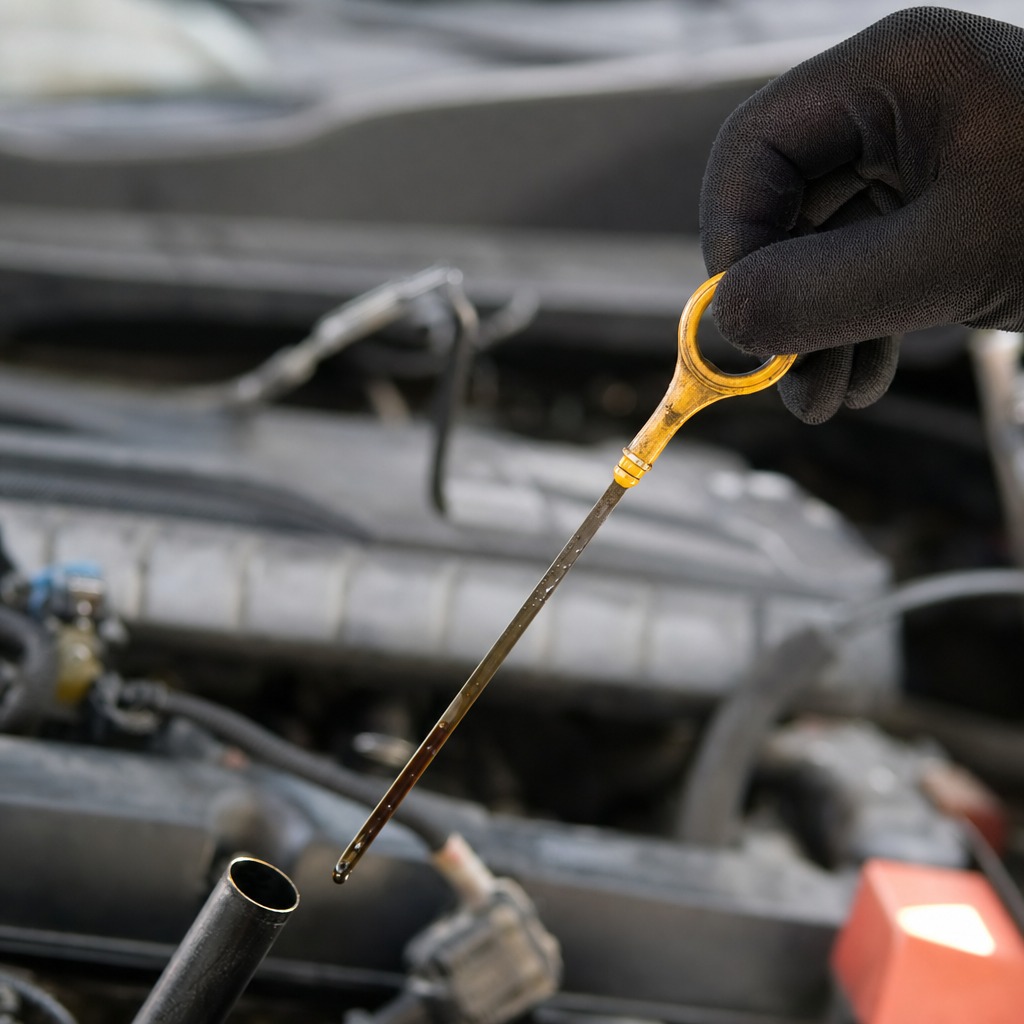
Beyond the total amount of oil added during an oil change, it is essential to know how to interpret the oil level on a daily basis. Most vehicles incorporate a dipstick with two markings: the minimum level and the maximum level. The oil must always be located between both references.
If the level is below the minimum, the engine may not receive sufficient lubrication at all of its points, increasing the risk of friction and premature wear.
If the level is above the maximum, excess oil can generate overpressure in the circuit, foaming and less efficient combustion.
Many modern vehicles replace the physical dipstick with an electronic indicator on the instrument panel that warns when the level is incorrect. In any case, it is advisable to check the level periodically, especially before long trips, and always with the engine cold and the car on a flat surface so that the measurement is reliable.
How do you know the exact amount for your car?
Each engine is designed to run on a specific amount of oil, so there is no one-size-fits-all figure for every vehicle. The most reliable way to know this information is to consult the manufacturer's instruction manual, which specifies both the exact quantity and the recommended viscosity and specifications for your specific model.
You can also find this information on the label under the hood, in some cases, or consult it directly in a specialized repair shop or at your brand's dealership. It is important to bear in mind that the amount may vary slightly depending on whether it is a complete oil change (with filter replacement included) or a simple top-up to adjust the level, as the filter retains part of the used oil. Or you can find it in the Repsol lubricant finder.
What happens if you add more or fewer liters than necessary?
Respecting the quantity indicated by the manufacturer is essential: an excess of oil can generate overpressure in the crankcase and foaming, while an insufficient level compromises the lubrication of the moving parts and can lead to premature engine wear.
Pouring more oil than recommended does not improve lubrication, but is counterproductive. The crankshaft can come into contact with excess oil and whip it up, causing foam to form. This foam reduces the lubricating capacity of the fluid and makes it difficult for the oil pump to distribute it correctly through the engine, which can end up damaging internal components.
On the other hand, a low oil level means that the moving parts of the engine - such as pistons, valves or the crankshaft itself - do not receive the necessary protection to reduce the friction between them. This results in increased wear and tear, an increase in operating temperature and, in the most severe cases, serious breakdowns that may require engine repair or replacement.
Find your oil with the Repsol search engine
Therefore, it is best to check the oil level periodically with the dipstick and always adjust it within the range marked between the minimum and maximum marks, thus avoiding both ends.
Choosing the right oil for your vehicle is just as important as monitoring its level properly. Each engine requires a specific viscosity and specifications, and using an inappropriate lubricant can affect its performance and durability. To make this task easier, Repsol offers you an online oil finder, where you only have to indicate the make, model and year of your vehicle to quickly and easily obtain the recommendation of the most suitable lubricant according to the manufacturer's specifications.